

The renovations you should consider before you sell your home are the repairs and refreshes a buyer would otherwise use against you: damp, roof defects, faulty electrics, missing compliance paperwork, and a kitchen or bathroom tired enough to drag every offer down.
Beyond that list, many home renovations struggle to recoup what they cost. The expensive surprises tend to arrive later, when a buyer’s surveyor finds something you ignored and the price you agreed starts to move.
That answer changes from house to house. It depends on the condition of your property, how quickly you need to move, and who is most likely to buy it. Get it right and you avoid spending thousands on works you never see again.
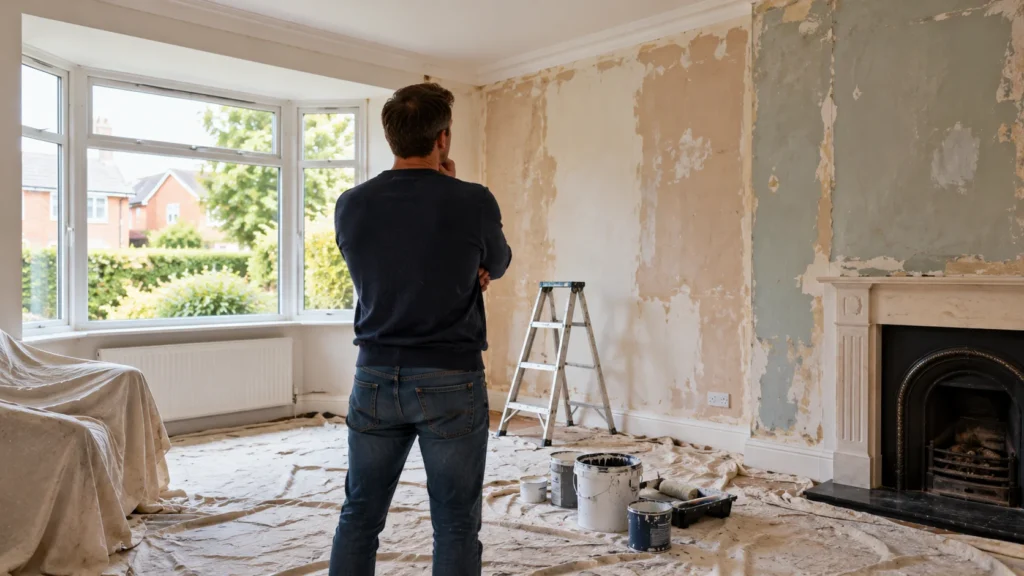
Is It Worth Renovating Before You Sell in Ireland?
Often not. Not a full renovation, anyway.
Major renovations add months to your selling timeline, tie up cash you may need for the costs of selling and your next purchase, and put your taste into a house someone else will own.
Buyers often place less value on work they didn’t choose, so a premium refit rarely comes back euro for euro in the sale price.
Two situations change that answer. The first is anything that blocks a sale or a mortgage: damp, a leaking roof, dangerous wiring or structural cracks.
The second is one badly dated room, usually a kitchen or bathroom, that makes potential buyers assume the whole house needs work. A targeted upgrade there lifts how they read every other room.
BER sits alongside both. The BER regulations require a BER certificate for most homes offered for sale, and the assessment comes with advice on possible energy improvements.
A poor rating gives buyers another line to push on during negotiation, so if yours sits at the bottom of the scale, basic insulation or a boiler upgrade can be worth pricing up.
So the real question isn’t whether to renovate before selling. It’s which works earn their place in your house, your local market and your timeline.

When to Renovate and When to Sell As-Is
The Condition of Your House
For a homeowner whose house is structurally sound and looks lived-in, cosmetic work and repairs usually do enough. If it has real defects, fix the defects first, then decide whether anything else earns its cost.
How Quickly You Need to Sell
If you need to sell within a few months, large projects work against you, especially given how long a sale takes in Kildare and Meath. Tradespeople run late, snags appear, and every week the house sits unfinished is a week you’re not on the market. Simple updates you can finish in a fortnight suit a tight timeline better.
Who Is Most Likely to Buy Your House
Home buyers stretching to their mortgage limit often want a move-in ready house, because they have little left over for works.
Buyers who plan to extend or remodel see an untouched house as an opportunity to customise, and they price their own renovation into the offer.
If your house will mostly attract the second group, spending heavily on finishes they’ll rip out makes little sense.
The market shapes your buyer pool too. When the property market is tight, buyers overlook a dated bathroom or tired carpets. When they have choice, condition carries more weight.
Before you spend anything on works, book a free property valuation and ask the estate agent two direct questions: what would this house sell for as it stands, and what would it sell for with the work done?
If that gap doesn’t cover the cost of the works plus the months you lose doing them, you have your answer.

What Renovations Should You Consider Before You Sell Your Home?
When you’re preparing your home for a sale, the renovations to consider follow a clear order: fix what’s broken, refresh what’s tired, and only then upgrade. Each step costs more and returns less per euro.
For typical costs room by room, our guide on how to increase the value of your home before selling goes into more detail.
Kitchen Facelift or Full Refit
Most kitchens need a facelift, not a new kitchen. New cupboard doors, handles, better lighting and a fresh coat of paint on tired units change how the room photographs and feels on a viewing, for a fraction of the cost.
New worktops can make a big difference too and increase your home’s appeal to buyers. Quartz countertops look sharp, but they’re a high-end choice a buyer won’t pay much extra for in a mid-priced semi.
A durable laminate or composite often makes more sense.
A complete kitchen refit only earns its place when the existing one has failed, with swollen units or a layout that puts buyers off. Even then, keep the spec neutral for the price bracket.
Bathroom Updates Buyers Notice
Buyers judge a bathroom on cleanliness and function. Mouldy silicone, cracked grout, a dripping tap or a weak shower tell them the room hasn’t had attention, and they start wondering what else hasn’t either.
Re-grouting, resealing, replacing a tired fixture and fitting a working extractor fan cost little and remove those doubts. A full renovation makes sense only if the room leaks or it’s so dated it dominates every conversation after a viewing.
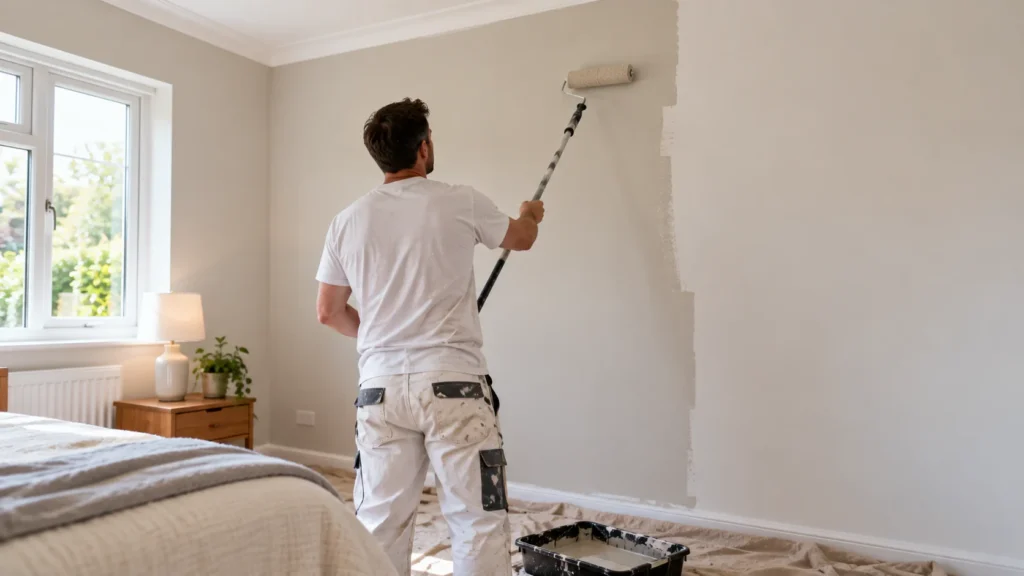
Paint, Flooring and Carpet Updates Before You Sell
You don’t need to spend a fortune here. A fresh coat of neutral paint remains the cheapest way to make your home look cared for, and it stops scuffed walls or bold feature colours distracting buyers.
Worn carpet in a bedroom or on the stairs signals neglect, and a plain, neutral replacement costs less than most sellers expect.
If you have hardwood floors under old carpet, sanding and sealing them can beat any new floor covering. In kitchens, utility rooms and hallways, luxury vinyl plank gives a durable finish without the cost of timber.
These cosmetic jobs shape the first impression online, and that decides whether a buyer books a viewing at all.
Kerb Appeal Repairs Buyers See First
Buyers judge the outside before they reach the front door. A peeling front door, a cracked path or a sagging gutter tells them maintenance has slipped.
Repainting the door and fixing gutters or broken fence panels cost little, and they stop buyers arriving with doubts already formed.
Are Attic Conversions and Extensions Worth It Before Selling?
Rarely, if you plan to sell within the next six months. Adding a bedroom can move your house into a different price bracket, because buyers filter searches by the number of bedrooms.
But an extension or conversion takes months, brings planning and Building Regulations questions, and only pays off if the finished space fully complies.
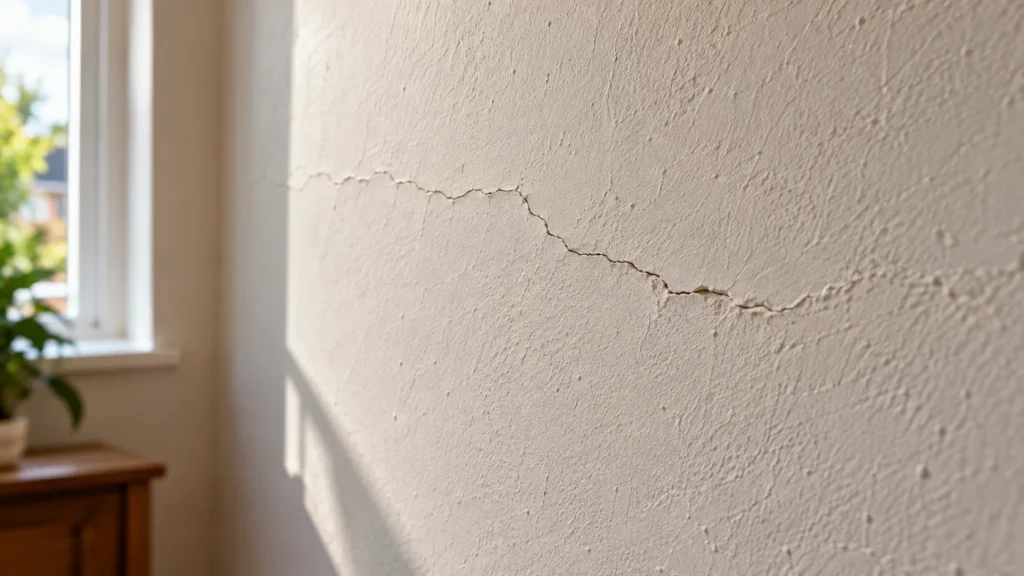
What Repairs Should You Make Before Selling?
The repairs worth making before you sell are the ones a buyer’s surveyor will find. Assume the survey turns up everything you know about, and plenty you don’t.
The costliest issues are damp and water ingress, slipped or missing roof slates, cracked walls that could point to structural movement, faulty wiring, plumbing leaks, and a boiler with no service history.
Fixing them won’t lift your price much, but a buyer who finds them after sale agreed can use them to push the price down, delay the sale or withdraw.
Before sale agreed, you control the negotiation. After it, the buyer holds a survey report and a list of costs.
Fixing a known issue before listing your home for sale is usually cheaper than the reduction a buyer asks for later.
Keep the paperwork too. Boiler service records, electrical certificates and receipts for roof or damp work go a long way towards reassuring potential buyers, which keeps a nervous buyer at the table when the survey comes back.

What Paperwork Do Pre-Sale Renovations Need?
A buyer’s solicitor asks for evidence that any extension, conversion or structural change the seller carried out complies with planning law and the Building Regulations.
Missing documents can hold up a sale until the seller provides them.
Depending on the work and the property, that evidence often takes the form of an Opinion on Compliance from an architect or engineer, confirming the work had planning permission or qualified as exempted development, and meets the Building Regulations.
Under the Planning and Development (Exempted Development (Act of 2000)) Regulations 2026, which took effect on 27 July 2026, the exemption limit for a house extension rose from 40 to 45 square metres, and for a back-garden structure such as a shed or home office from 25 to 30 square metres.
Conditions cover height, boundaries, remaining garden space and previous extensions, and the Department states that Building, Building Control and Fire Regulations still apply.
A local authority planning department or a qualified engineer can confirm whether specific works qualify.
Planning law generally treats internal works as exempted development, but removing a load-bearing wall is structural work under the Building Regulations, and a buyer’s solicitor typically asks for an engineer’s confirmation of compliance.
A solicitor can advise on the documents a specific property will need before it goes on the market.
Pre-Sale Renovation Mistakes That Cost Sellers Money
Over-Capitalising for Your Area
Spending to a standard your estate can’t support is a frequent and expensive mistake. Picture a row of three-bed semis in Maynooth or Celbridge: a marble-topped island in one of them won’t lift it far above the house next door. The ceiling price for your road caps your property value.
Renovating to Your Own Taste Before Selling
A dark feature wall or a striking tiled splashback might suit you, but neutral finishes attract buyers from every part of the market.
Starting Works Too Close to Listing
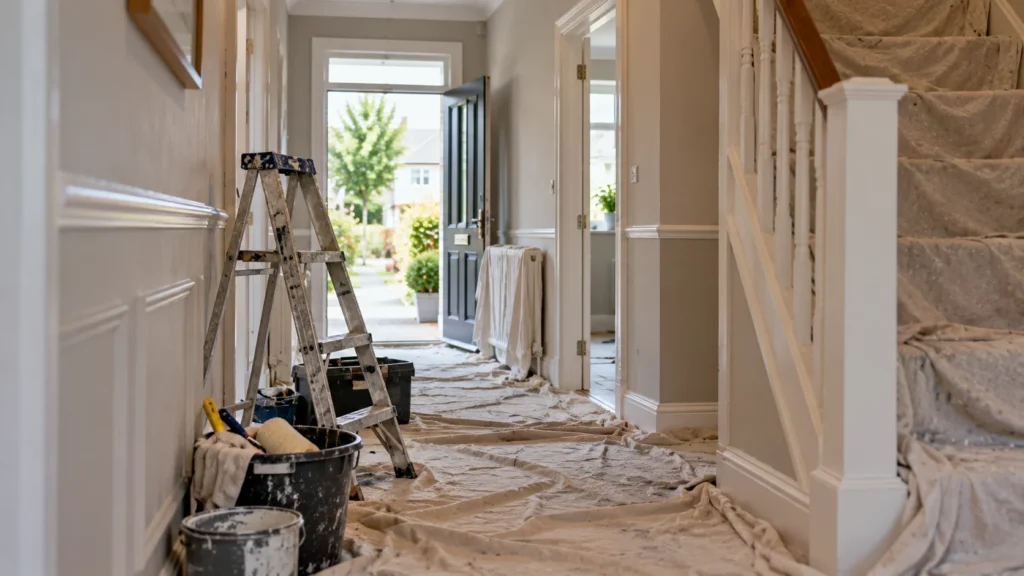
Works that run over mean viewings with dust sheets and half-finished snags. Finish everything before your listing goes live, so the house looks its best on day one and has every chance to sell faster.
Skipping Electrical Certification
Under the Electricity Regulation Act 1999, as amended, a Registered Electrical Contractor issues a Completion Certificate for all electrical works other than minor works, and certifies minor works on request. Where a buyer’s solicitor finds no certificate for electrical work, the query can hold up the sale until the seller resolves it.
Covering Up Defects Instead of Fixing Them
Painting over damp or boxing in a leak buys you a few weeks. A surveyor with a moisture meter finds it in minutes, and once a buyer suspects you hid one thing, they start looking for more.
Frequently Asked Questions
What is the most expensive part of a house to renovate?
Structural work usually costs the most: extensions, roof replacement and anything involving foundations. Among individual rooms, a full kitchen typically carries the biggest bill because it combines units, worktops, appliances, plumbing and electrics in one project.
What is the hardest room to renovate?
Often the bathroom. It packs plumbing, electrics, tiling and waterproofing into a small space, and every trade depends on the one before it. Mistakes also stay hidden until they leak, sometimes months later.
What devalues a house the most?
Hidden defects tend to do the most damage, because they surface after sale agreed: damp, structural movement, roof problems and works with no compliance paperwork. A poor BER or a dated kitchen hurts too, but buyers can see those upfront and price them in.
What home improvements do not add value?
Anything that suits only you or exceeds what your area supports. High-end finishes in a mid-priced estate, elaborate landscaping, and converting a garage in an area where parking matters all tend to cost more than buyers will pay back.
Should I renovate or sell my house as-is?
Sell as-is if the house is structurally sound and the works would cost more than the price gap they create. Renovate only where a defect would stall the sale or one dated room drags down every offer.
Get a Free Property Valuation in Kildare and Meath
A free property valuation puts a real number on the renovation question: what your house is worth today, and the likely return on investment of the work you’re weighing up.
Our team at DNG Farrelly Southern walks through homes across Kildare and Meath, and we can tell you which jobs will help you sell your home and which ones you can safely skip.
Call (01) 651 7000 and you’ll get expert advice and a no-obligation valuation, all before you book a single tradesperson.