Selling your home is one of the biggest financial decisions you’ll make. Most people do it only two or three times in their lives. That means there’s a lot you might not know going in and a lot of conflicting advice out there that doesn’t reflect how the Irish market actually works.
This guide walks you through exactly how to sell your house in Ireland, step by step. From getting the valuation right through to the day contracts are signed, here’s what to expect and what to do at each stage.
Step 1: Get a Professional Valuation
The first thing you need is an accurate picture of what your property is worth. This isn’t something to guess at or base on what your neighbour got two years ago. The market moves, and pricing your home correctly from the start is one of the most important decisions you’ll make in the whole process.
An overpriced property sits on the market and attracts suspicion. Buyers notice when a listing has been up for eight weeks with no movement. A correctly priced home generates interest quickly and often results in competing offers that push the price above asking.
A reputable local agent will base a valuation on comparable sales in your area, the current level of buyer demand, and the specific features of your home. In Maynooth, Kilcock, or Carbury, that means working with someone who knows these markets directly, not an agent running numbers from a Dublin office.
DNG Farrelly Southern offer free property valuations across Kildare and Meath. Emma and Rebecca both have formal qualifications in valuations and estate agency, so the figure you get is grounded in professional assessment rather than a guess designed to win your business.
Step 2: Sort Your Legal Paperwork Early
A lot of property sales slow down or fall apart at the legal stage, and the majority of those delays are avoidable. Getting your solicitor involved before you go to market is one of the most practical things you can do.
Your solicitor will need to pull together your title deeds, planning permissions for any extensions or alterations, building regulation certificates, and the folio from the Land Registry. If your property is in an estate, management company documents and service charge accounts will also be needed.
In Ireland, this process takes longer than most sellers expect. Giving your solicitor a four to six week head start before you go live means you’re ready to move quickly once an offer comes in. A buyer who has their mortgage approved and their solicitor ready will not wait three months for your paperwork to catch up.
Step 3: Prepare the Property
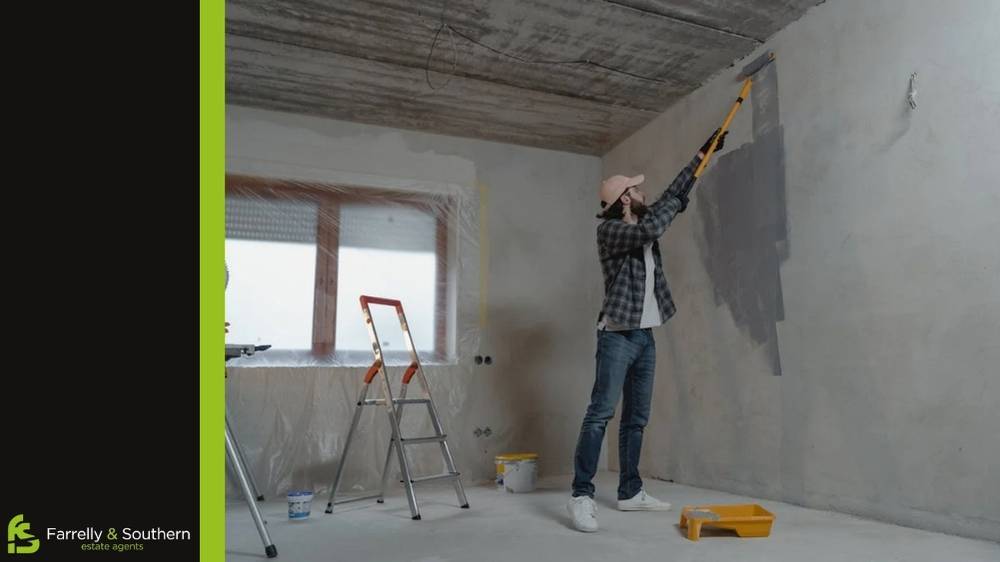
You don’t need to spend a fortune preparing your home for sale. But presentation matters, and the effort you put in before photos are taken directly affects the price you achieve.
The basics make a significant difference:
- Fresh neutral paint in rooms that look tired
- Deep clean throughout, including windows and external areas
- Tidy front garden and kerb appeal first impressions start before anyone gets through the door
- Fix minor issues (leaking taps, stiff doors, scuffed skirting boards) that give buyers reasons to negotiate down
- Declutter every room to make spaces feel larger
In Kildare and Meath, a lot of properties are family homes with kids, dogs, and years of accumulated stuff. There’s no shame in that, but the job before photos is to let the space speak rather than the lifestyle. Buyers need to imagine themselves there, not feel like they’re walking into someone else’s home.
Professional photography and virtual tours are now standard in the Irish market. DNG Farrelly Southern include both as part of their marketing process. Listings with professional photography consistently attract more viewing requests and higher opening offers than those without.
Step 4: Choose the Right Estate Agent
This step deserves more thought than most sellers give it. The cheapest agent is rarely the best choice, and the biggest name doesn’t automatically mean the best result for your specific property in your specific area.
Here’s what to look for when choosing an estate agent in Ireland:
| Factor | What to Check |
|---|---|
| Local knowledge | Do they know your area specifically, not just the county? |
| Track record | Can they show you comparable sales they’ve handled recently? |
| Communication | Will you deal with the director, or get passed to a junior? |
| Marketing approach | Professional photos, virtual tours, portal presence? |
| Fee structure | What’s included? Are there add-on charges? |
In Kildare and Meath, DNG Farrelly Southern’s model is built around direct access to Emma and Rebecca throughout your sale. Clients in reviews consistently mention being able to reach them directly, getting honest answers, and feeling like a priority rather than a number on a ledger. That’s not a coincidence it’s how they’ve built the business.
Their tagline is “Your Local Estate Agent With International Reach,” which reflects their combination of deep local market knowledge with broad portal reach across Daft.ie, MyHome.ie, and international property platforms.
Step 5: Set the Right Asking Price
This follows from the valuation, but it’s worth separating out because there’s a decision to be made here beyond just the number you were given.
In a strong market and parts of Kildare and the Maynooth commuter belt have seen consistent demand pricing at or just below market value often generates multiple viewings in the first week and competing offers that drive the final price above asking. Properties sold by DNG Farrelly Southern have achieved sale prices above asking within five weeks in recent client cases. That outcome comes from accurate pricing, strong marketing, and prompt follow-up with interested buyers.
In a slower market, or for a property with specific features that limit the buyer pool, the strategy looks different. A good agent tells you which situation you’re in and prices accordingly.
What you should avoid is letting ambition set the price rather than evidence. Dropping a price after four weeks is much more damaging than pricing it right from the start.
Step 6: Managing Viewings

Once the listing is live, viewings start. How those viewings are managed matters more than most sellers realise.
A good agent accompanies viewings rather than just handing over keys. They read buyer interest, answer questions accurately, and handle objections in real time. They follow up with every viewer within 24 hours and give you honest feedback on what people said and whether interest is genuine.
The number of viewings in the first two weeks tells you a lot. Strong interest early is a sign the price is right and the presentation is working. Sparse interest in the first fortnight is a sign something needs to change either the price, the photos, or how the property is being shown.
In Maynooth and surrounding areas, weekday evening viewings and weekend slots both work well because many buyers are commuters viewing after work or on Saturdays. Your agent should be flexible enough to accommodate that.
Step 7: Receiving and Negotiating Offers
When offers come in, you have three options: accept, reject, or counter. How you respond depends on where the offer sits relative to your asking price, how much buyer interest exists, and your own timeline.
A few things worth knowing about the Irish offer process:
- Offers in Ireland are not legally binding until contracts are signed. A buyer can withdraw at any point before exchange.
- If multiple buyers are interested, your agent may call for best and final offers rather than going back and forth with each one individually.
- The highest offer is not always the best offer. A buyer with a mortgage approval in place and no chain attached moves faster and with less risk than a higher offer that depends on a separate sale.
Your agent should advise you on the quality of each offer, not just the number. Emma and Rebecca both bring years of direct negotiation experience in the Kildare and Meath markets, which means they understand buyer behaviour in this area and can advise you accurately on when to hold and when to accept.
Step 8: Going Sale Agreed and Closing
Once you accept an offer, the property goes sale agreed. This is not the end of the process it’s the start of the legal stage. The buyer commissions a survey, their solicitor reviews the title, and both sets of solicitors work through the contract.
In Ireland, this stage typically takes 6 to 12 weeks from sale agreed to contracts signed. Delays are common but most are avoidable with preparation. If you sorted your paperwork in Step 2, you’re already ahead of the majority of sellers.
Your agent’s job during this period is to keep both sides moving, communicate between solicitors and principals where needed, and make sure the deal doesn’t unravel over issues that could be resolved with a phone call. This is where the difference between an experienced agent and an average one becomes most visible.
What Does It Cost to Sell Your House in Ireland?
It’s a common question and one worth answering directly.
| Cost | Typical Range |
|---|---|
| Estate agent fee | 1% to 1.5% of sale price (plus VAT) |
| Solicitor fees | €1,500 to €3,000 (plus outlays) |
| BER certificate | €150 to €250 |
| Snag repairs / staging | Varies budget €500 to €2,000 |
On a property selling for €350,000, agent fees at 1.25% plus VAT come to roughly €5,381. Solicitor fees add another €1,500 to €2,500 depending on complexity. Factor in the BER and any preparation costs and you’re typically looking at €7,000 to €10,000 in total selling costs before Capital Gains Tax considerations if the property is not your primary residence.
Frequently Asked Questions About Selling Your House in Ireland
How long does it take to sell a house in Ireland?
From going to market to closing, most residential sales in Ireland take 3 to 6 months. Properties in high-demand areas like the Maynooth commuter belt can move faster. The legal stage after sale agreed typically adds 6 to 12 weeks regardless of how quickly the offer comes in.
Do I need a BER certificate to sell my house in Ireland?
Yes. A Building Energy Rating (BER) certificate is a legal requirement before you can market your property for sale. Your agent will advise you on arranging one if you don’t already have a current cert. They cost between €150 and €250 and are valid for 10 years.
Can I sell my house without an estate agent in Ireland?
Technically yes, but it’s uncommon. Private sales in Ireland miss out on the buyer reach that portal listings provide, the negotiation experience an agent brings, and the legal coordination that keeps deals moving through to closing. Most sellers who try private sales end up engaging an agent after a slow start.
What is the best time of year to sell in Ireland?
Spring (February to May) and autumn (September to November) are traditionally the strongest periods for Irish residential sales. Buyer activity drops over July and August and again over Christmas. That said, a well-priced property in any season attracts interest the quality of your marketing and your agent’s follow-up matters more than the calendar.
What if my property doesn’t sell quickly?
If a property sits on the market for more than four to six weeks without offers, it’s usually a sign that the price, the presentation, or both need reviewing. A good agent will tell you this honestly rather than letting the listing go stale. Price reductions are more effective early than after a long period on market.
What to Do Next
Knowing how to sell your house in Ireland is one thing. Getting the right support to do it well is another.
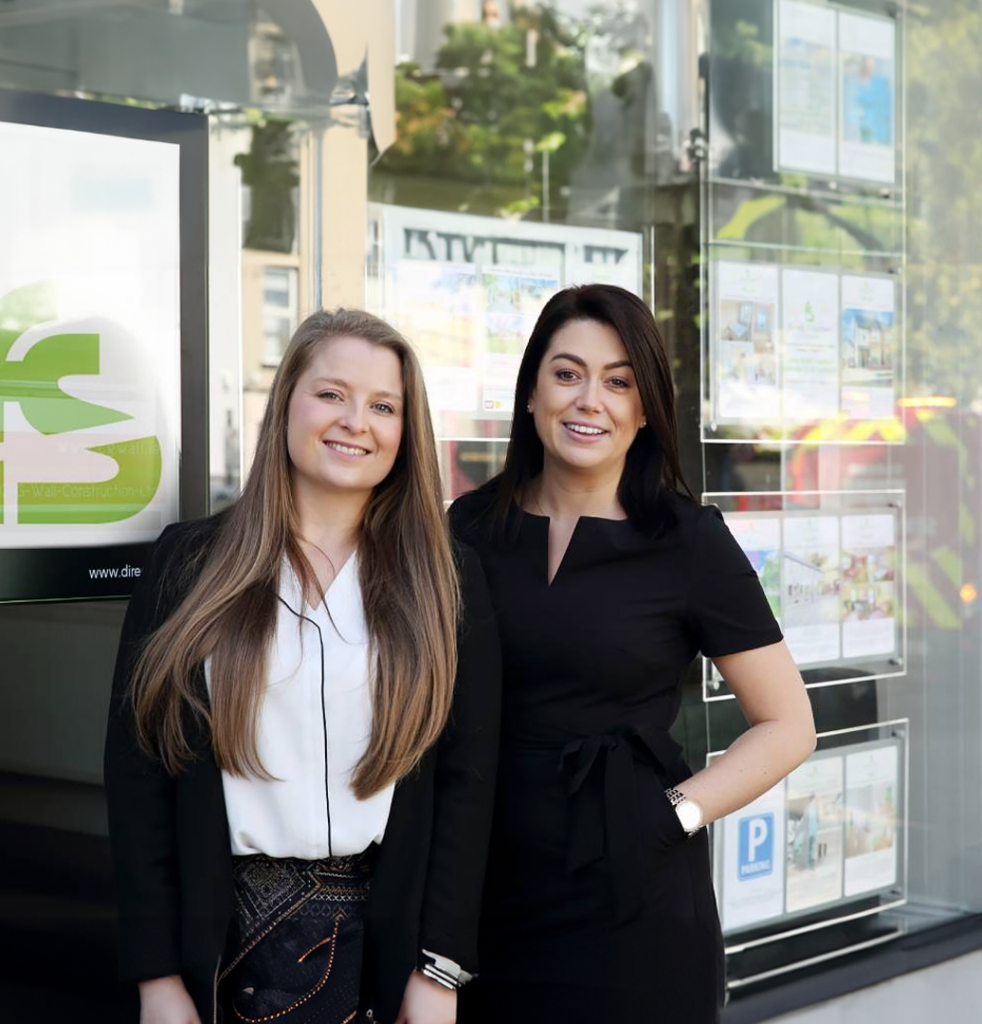
DNG Farrelly Southern handle residential sales across Kildare and Meath, from first consultation through to closing. If you’re thinking about selling this year, a free valuation and consultation with Emma or Rebecca is the straightforward starting point no obligation, just an honest picture of where your property sits in the current market.