Buying land in Ireland means finding a site, confirming it’s zoned for what you want to do with it, and getting a solicitor to handle the purchase, the same basic process as buying a house, but with one extra step that catches almost everyone out: proving you’re actually allowed to build on it, a hurdle known locally as the local needs test.
What isn’t simple is what happens after you’ve found a plot you like. Buying the land is the easy step.
Getting permission to build a house on it, and working out what you’ll actually pay once stamp duty and legal fees are added, that’s what stops most buyers cold.
How to Buy Land in Ireland
The process follows a consistent order regardless of what you’re buying. Find a site, check its zoning and planning history with the local council, get a solicitor to review title and handle contracts, arrange financing if you need it, and only then agree a price and go sale agreed.
Skipping the zoning check to jump straight to an offer is the single most common mistake buyers make, and it’s the one this guide spends the most time on.
Where to Find Land for Sale in Ireland
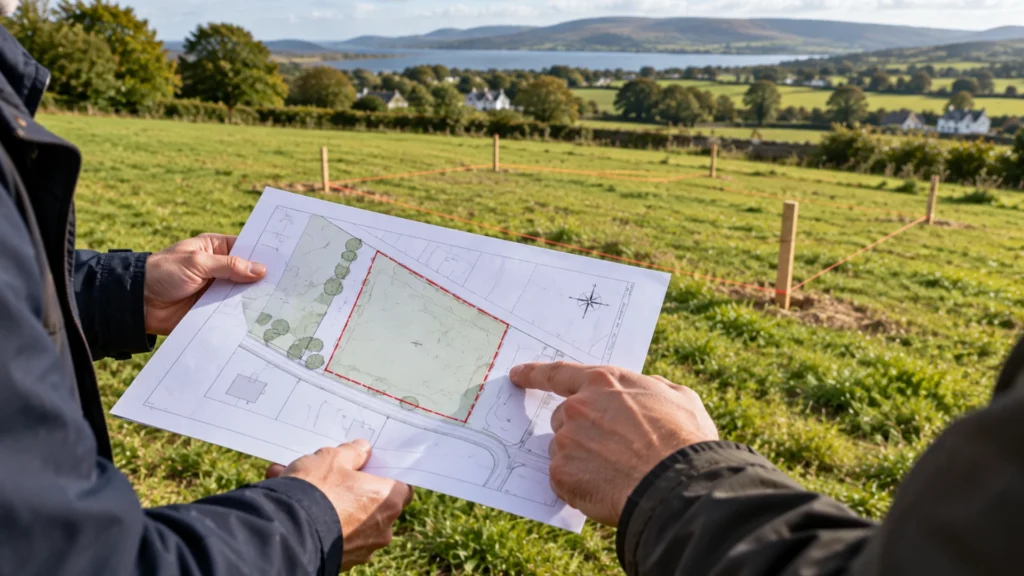
Most land in Ireland is sold through the same channels as houses. Daft.ie and MyHome.ie list thousands of sites for sale at any given time, from small residential plots to large agricultural holdings running to hundreds of acres.
Local auctioneers often carry listings that never make it onto the major portals, particularly in rural areas where a site gets sold through word of mouth before it’s advertised anywhere.
If you’re set on a specific county, going directly to a local estate agent is usually faster than scrolling portals.
They know what’s coming to market before it’s listed, and they know which sites have a realistic shot at planning permission, which matters more than almost anything else on this list.
Local authorities occasionally sell serviced sites of their own, often through the Ready to Build Scheme, which offers sites up to €30,000 below market value to people who plan to build and live in the home as their main residence. These come up rarely and move fast when they do.
What Types of Land Can You Buy in Ireland
Not all land for sale in Ireland is the same, and the difference changes your entire timeline.
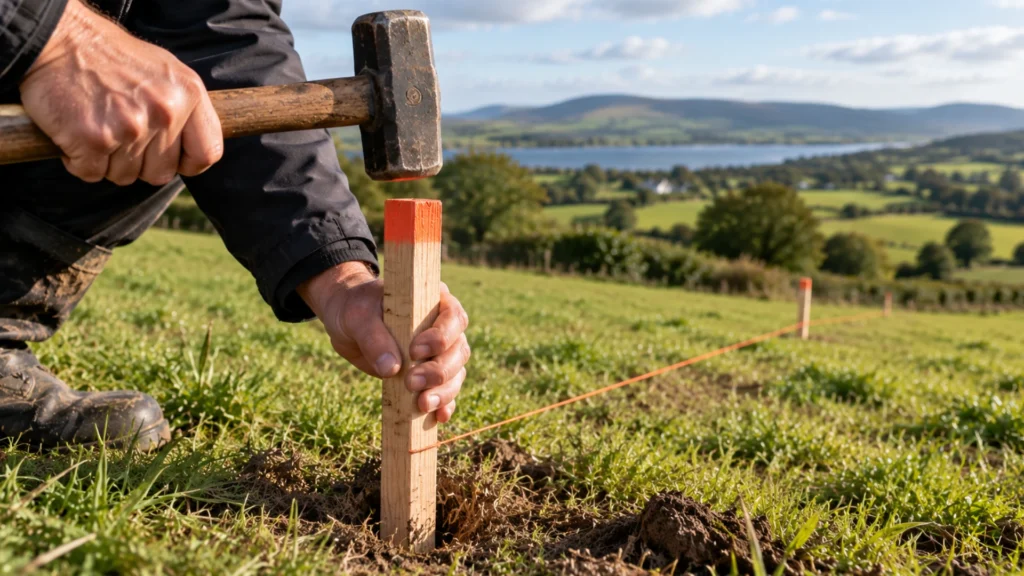
Sites with Full Planning Permission (FPP) already have permission granted, though you’ll still want to confirm services and any remaining conditions are in place before construction starts. These typically cost more, since someone else has already gone through the planning process, saving you the uncertainty and the wait.
Sites Subject to Planning Permission (STPP) come with no guarantee. You’re buying the land on the assumption you’ll get permission to build, and that assumption doesn’t always hold up, more on why shortly.
A site without a connected agreement to build a home is treated as non-residential property for tax purposes, regardless of whether you eventually get permission.
Farms and fields fall into a different category entirely, agricultural land, sold by the acre and priced on soil quality and location rather than development potential. Buying it doesn’t give you an automatic right to build a house on it.
Know which one you’re looking at before you make an offer. Buyers who assume STPP land will get permission because it “seems fine” are the ones who end up with a field they can’t do anything with.
Can You Build on Agricultural Land?
Not automatically. Agricultural land is zoned for farming, not residential use, so building a house on it requires a change of use through planning permission on top of meeting the same local needs test that applies to any rural site.
Buying agricultural land doesn’t include a right to build, and local authorities regularly refuse permission on agricultural land, particularly outside areas where the buyer has a genuine local needs case. If building is the actual goal, check the zoning and get a realistic read on planning prospects before you buy, not after.
How Much Does Land Cost in Ireland?
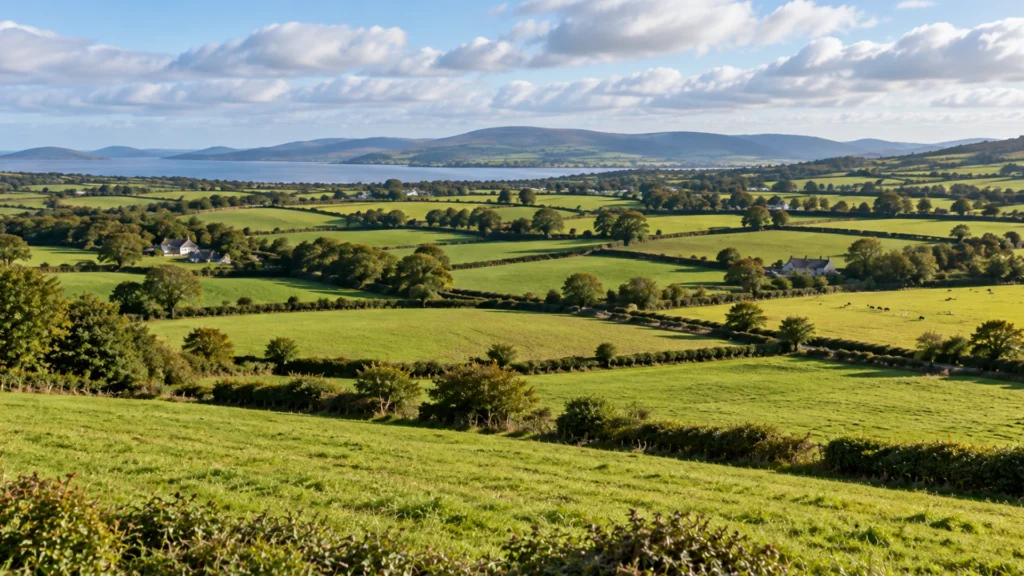
Land price in Ireland varies enormously by quality, location, and purpose, which makes a single national figure almost meaningless on its own.
According to the SCSI/Teagasc Agricultural Land Market Review, good quality agricultural land is currently averaging around €14,100 per acre nationally, up roughly 7% year on year, with prime land in counties like Wexford running well above that and land in the west of the country trading for a fraction of the price.
Sites for building tend to be priced per site rather than per acre, and the number that actually matters is rarely the headline price.
A cheap plot with no mains water connection, no planning history, and a septic tank system to install can end up costing more than a pricier site that already has services run to the boundary. Ask about access to water, electricity, and wastewater before you get attached to a price.
Do You Need Planning Permission to Build on Land in Ireland
Buying land itself never requires planning permission. Building on it does.
If you’re planning to build on land you buy in Ireland, you need planning permission first, and most self-build plans succeed or collapse right at that stage.
Local authorities zone land for specific uses, residential, agricultural, commercial, and building outside that zoning is either impossible or requires a case few buyers are prepared to make.
Before you go any further with a site, check its zoning with the local county council. This is a five-minute phone call that can save you months.
In rural areas under development pressure, particularly around Dublin’s commuter belt including parts of Kildare and Meath, some councils apply what’s known as a local needs test.
Criteria vary by county, but generally you’ll need to show a genuine, longstanding connection to the area, often through local employment or family ties, and your county council may ask for supporting documentation. Check the specific requirements with your local authority, since they differ from one county to the next.
Someone buys a site assuming permission is a formality, then discovers they don’t meet the local needs criteria and the land they’ve bought has no realistic path to planning.
Always make your offer conditional on planning permission being granted, and get a local planning consultant’s honest read on your chances before you sign anything.
What Should You Check Before Buying Land?
Before you make an offer, work through the same core checks regardless of what type of land you’re looking at.
Confirm zoning with the local county council, and ask whether the site has mains water, electricity, and wastewater access, or whether you’d need a private well and treatment system instead. Check for rights of way or shared access across the land, and get a site survey done by an engineer before you commit to anything.
If building is the plan, get a realistic read on your local needs eligibility from a planning consultant first. It’s a small cost against the risk of buying land you can’t build on.
Who Do You Need to Buy Land in Ireland
Buying land pulls in more people than a straightforward purchase, because there’s more that can go wrong.
A solicitor handles the legal side: checking title, reviewing the contract, and carrying out the anti-money laundering checks now required on every property transaction.
Get one who has specifically handled land purchases before, not just house sales, since the issues that come up (rights of way, boundary disputes, access) are different.
An engineer or architect should assess the site itself before you commit: ground conditions, drainage, access, and whether the site can practically support the house you want to build.
This costs money upfront but it’s considerably cheaper than discovering a problem after you own the land.
If you’re not an Irish resident, you’ll also need a PPS number to pay stamp duty and any other tax obligations that come with owning Irish property. You can apply for one through the Department of Social Protection, and it’s worth starting the process early since it isn’t instant.
Can You Get a Mortgage to Buy Land?
Yes, though it’s less straightforward than a standard home mortgage. Irish lenders offer self-build mortgages for land bought with a genuine intention to build, usually released in stages as construction progresses rather than as a single lump sum.
Buying land with no immediate building plan, or purely as an investment, is harder to finance, and most lenders will expect a larger deposit as a result.
If you’re not an Irish resident, expect a deposit requirement in the region of 30% or more, and a smaller pool of lenders willing to consider the application at all.
How Much Is Stamp Duty on Land in Ireland
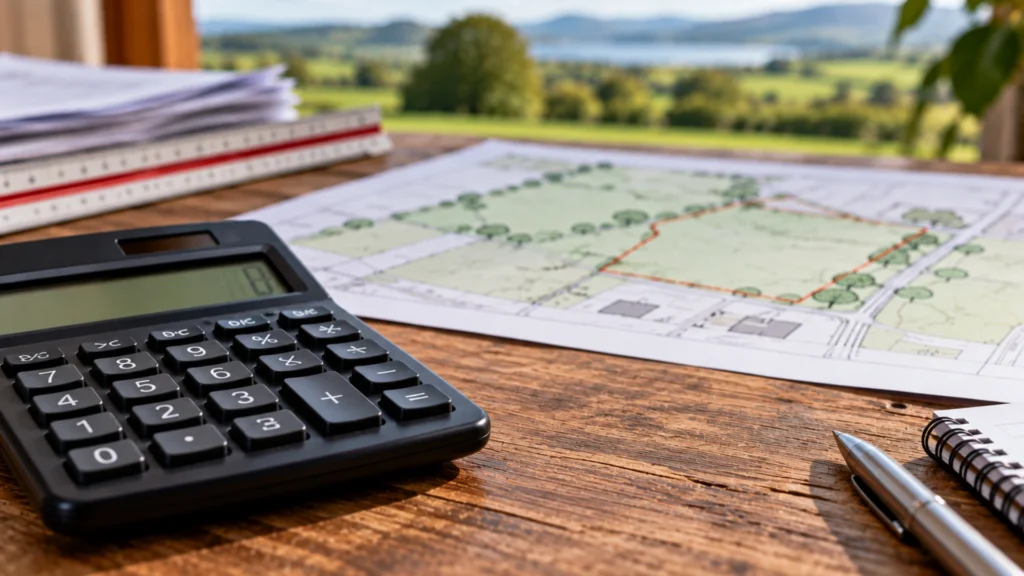
Stamp duty on land in Ireland depends entirely on what you’re buying it for, and the two rates are far apart.
If you’re buying non-residential land, bare agricultural land, a commercial site, or a plot with no connected agreement to build a home, you pay a flat 7.5% of the purchase price.
There’s no tiering. It applies to the full value.
Buying instead with a connected agreement to build a home puts you on the residential rate rather than the flat 7.5%: 1% on the first €1 million, 2% on the portion between €1 million and €1.5 million, and 6% on anything above that.
On most site purchases in Kildare and Meath, this is the rate that applies, but the distinction matters and it’s worth confirming with your solicitor exactly which rate applies to your specific purchase before you agree a price.
On top of stamp duty, budget for legal fees, typically in the €1,500 to €3,000 range plus VAT for a straightforward purchase, along with survey costs and Land Registry fees. Land transactions with access or title complications can run higher.
None of these are large individually, but skip budgeting for them and you can find yourself several thousand euro short right when you need to pay a solicitor or start groundworks.
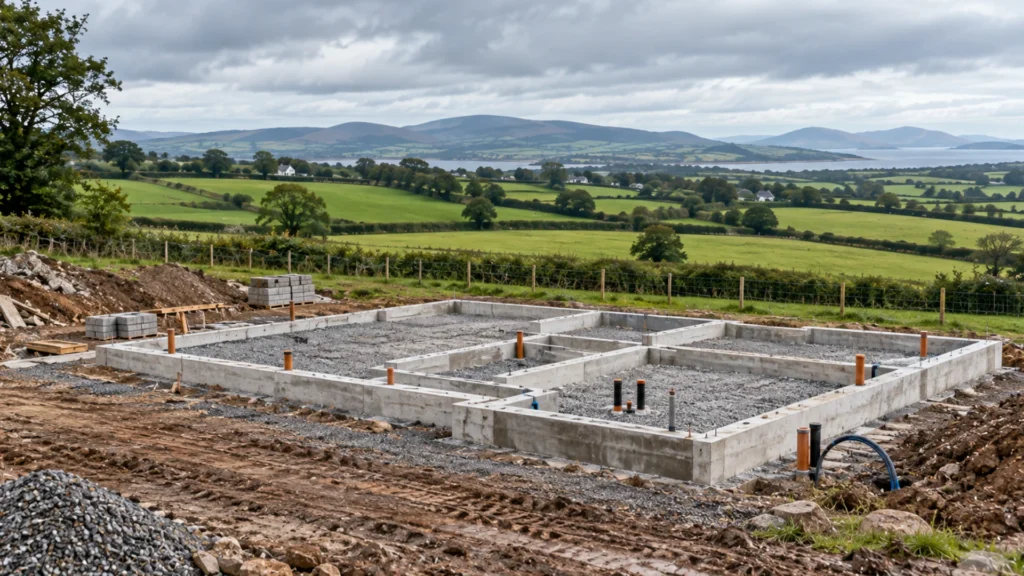
Is Buying Land in Ireland a Good Investment?
It depends on what you’re comparing it to, and what you’re actually planning to do with it.
As a way to eventually build a home, land can sometimes work out cheaper than buying a finished house, though the gap depends heavily on build costs, and those can erode any saving fast if you don’t budget carefully.
Treat it as a pure financial investment with no plan to build or farm it, though, and land turns illiquid, slow to sell, and carries real planning risk that a house doesn’t.
Agricultural land values have risen steadily in recent years, with the latest SCSI/Teagasc land market report showing good quality land up roughly 7% nationally, driven mainly by scarcity and demand from farmers looking to expand rather than by outside investment.
Whichever way you’re buying, it’s worth understanding what Capital Gains Tax looks like if you eventually sell, since it applies to land the same way it applies to a house.
The honest answer is that land rewards someone with a clear plan, a site to build on, a farm to expand, and punishes someone who bought a field on a hunch and is still trying to work out what to do with it five years later.
Where Land Is Cheapest in Ireland
Land price drops sharply the further you get from Dublin and the major commuter towns. Counties in the west and midlands consistently show the lowest prices per acre, while land close to Dublin, including parts of Kildare and Meath with strong commuter links, sells at a significant premium precisely because of that access.
Cheap land is only a bargain if it comes with a realistic path to using it. A low price per acre in a county with strict local needs rules and no services nearby can end up costing more in the long run than a smaller but properly serviced site closer to where you actually want to live.
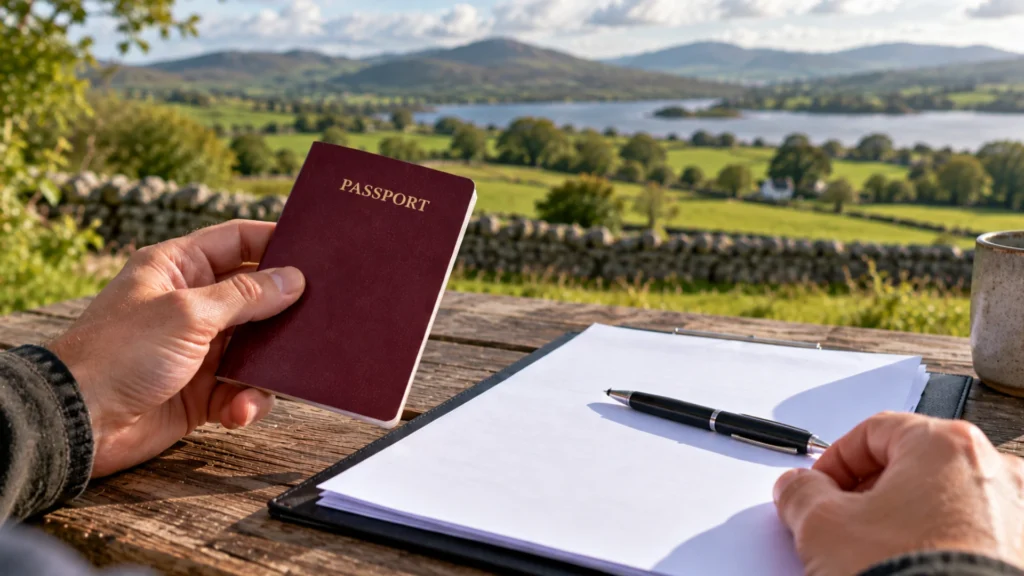
Can Foreigners Buy Land in Ireland?
Yes. There are no nationality or residency restrictions on buying land or property in Ireland, and non-residents have exactly the same legal right to purchase as Irish citizens.
What buying land doesn’t do is grant any right to live in Ireland.
Property ownership and immigration status are handled completely separately, so owning a site here doesn’t extend your right to stay beyond whatever visa or visa-free period already applies to you.
Non-resident buyers should expect stricter mortgage terms if financing through an Irish bank, often requiring a deposit of 30% or more.
Identity and anti-money laundering checks also tend to take longer for buyers based outside the country, so factor that into your timeline.
Land-Buying Checklist
- Confirm zoning with the local county council before you view further
- Check for mains water, electricity, and wastewater access
- Get a genuine read on your local needs eligibility if you plan to build
- Appoint a solicitor experienced in land, not just house, purchases
- Get an engineer or architect to assess the site
- Confirm which stamp duty rate applies before you agree a price
- Budget for legal fees, survey costs, and Land Registry fees on top of the purchase price
- Make your offer conditional on planning permission if you’re buying STPP land
If you’re weighing up a site in Kildare or Meath, the fastest way to get a straight answer on what it’s actually worth is to browse current sites and land for sale. Talk to someone who knows the local planning history before you make an offer.