A first-time buyer checklist in Ireland has six steps: check the borrowing rules, budget the cash costs beyond the price, get approval in principle, check homes before you bid, bid to a fixed limit, then hand your solicitor’s details to the agent once the seller accepts. The home then goes sale agreed, which is not the finish line, because either side can still withdraw until both sides sign contracts. That puts weight on the limit you set before your first call to the agent.
| Step | What you do | You are ready when |
| 1 | Check the borrowing rules | You know the most a bank can offer and the cash it expects from you |
| 2 | Budget the cash on top | You have a figure for tax, fees and surveys |
| 3 | Get approval in principle | You hold a letter showing your borrowing range |
| 4 | Check homes before you bid | You know recent sale prices and have a checklist for each home |
| 5 | Bid to a fixed limit | You have written your ceiling down before the first call |
| 6 | Go sale agreed | You have the sale details and know whether a survey applies to your home |
What are the mortgage rules for first-time buyers in Ireland?
In Ireland, first-time buyers can borrow up to 4 times their gross annual income and need a deposit of at least 10% of the purchase price. The Central Bank of Ireland sets those lending rules, and they have applied since 1 January 2023. Movers face a lower limit of 3.5 times income.
On a €400,000 home, that means €40,000 of your own money and a €360,000 loan.
Two numbers cap how much you can afford, and the lower one wins. The first is four times your income plus your savings. The second is ten times your savings, because the rules cap the loan at 90% of the price. With a €90,000 income and €30,000 saved, the first number is €390,000 and the second is €300,000, so your ceiling is €300,000 before the costs in the next section.
The 4 times figure is a lending limit, not an offer. The rules also let banks go above the limits for a share of their lending, and approval still depends on the bank’s checks of your finances. What applies to your situation is a question for a broker or your bank, and how much you need to save for a house in Ireland works through the savings side.

How much cash do first-time buyers need beyond the deposit?
Expect roughly €12,200 of extra costs on a €400,000 home, which brings the total cash to find to about €52,200. Those figures come from the worked example in the hidden costs guide, which describes them as illustrative. Costs on a specific purchase vary, and an adviser can confirm them.
Revenue charges stamp duty at 1% on the first €1 million of a home’s price, and first-time buyers pay the same rate as everyone else, so €4,000 on a €400,000 purchase. The hidden costs guide’s example puts solicitor fees at about €2,500 including VAT. The Competition and Consumer Protection Commission (CCPC) puts the bank’s valuation at about €150 to €250 and a structural survey at about €400 to €800.
Two schemes can reduce the cash you need for a qualifying home. Help to Buy refunds the income tax and Deposit Interest Retention Tax (DIRT) you paid in the four years before you apply. Revenue caps the refund at the lesser of €35,000, 10% of the price or the tax you paid, for contracts signed (or the first mortgage drawdown on a self-build) from 7 October 2026 to 31 December 2029. It covers new builds and self-builds priced up to €500,000. It does not cover second-hand homes, and Revenue’s eligibility page sets out who qualifies.
The First Home Scheme is a shared equity scheme that funds part of a qualifying home’s price in return for a percentage ownership, within local price ceilings. The price ceiling is currently €475,000 in Kildare and Meath, and the scheme reviews its ceilings regularly. The First Home Scheme guide explains how it works. An independent financial adviser or legal adviser can confirm eligibility for either scheme.

What looks bad on your bank statements when you apply for a mortgage?
Overdraft use, missed bills and a lack of regular saving look bad on your bank statements, according to CCPC’s guidance on applying. It says mortgage providers assess your income, savings habits, spending patterns, credit history and existing debts. They set no fixed minimum balance but want to see that you cover everyday expenses and still save.
For digital bank accounts, the guidance refers to the last six months of statements. What each lender wants varies, so a broker or the bank itself can confirm before you apply.

What do you need for mortgage approval in principle?
For approval in principle, CCPC lists proof of ID, proof of address, your PPS number (the Personal Public Service number on your Revenue records), proof of income from Revenue, payslips or certified accounts, and current account and credit card statements.
Employees also provide a salary certificate from their employer. Self-employed applicants usually show at least two years of certified accounts, recent tax returns and six months of statements.
Approval in principle is a lender’s initial confirmation of how much it may lend you. It is not a formal agreement, and the letter is typically valid for six to twelve months, depending on the lender.
You can apply directly to a mortgage lender or through a mortgage broker. Either way, get the letter before making any offers. Some agents require it, and it gives you a clear budget.
What should you check before you bid on a house?
Check the price against recent sales, the condition against the Building Energy Rating (BER) and your own eyes, and the paperwork against what the agent tells you.
Start with the price. The Property Price Register, run by the Property Services Regulatory Authority (PSRA), lists the date, price and address of residential sales since 2010. You can search it by county, so you can narrow it to Kildare, Meath or Dublin and compare what similar homes nearby sold for with the asking price. New-build prices appear without VAT, and the PSRA says the register is not a price index, so use it to spot patterns in nearby sales.
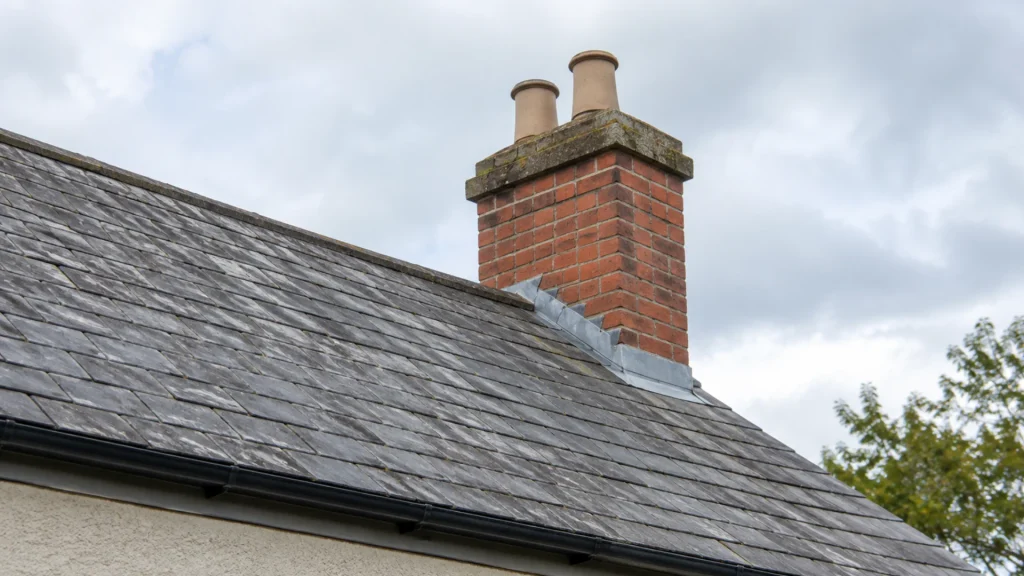
At a viewing, look for damp, cracks in the walls and ceilings, the state of the roof and windows, and the age of the boiler. The BER rating, from A to G, shows how energy efficient the home is.
DNG Farrelly Southern’s house viewing guide adds two checks. Visit more than once, at different times of day and in heavy rain if you can. In rural Kildare and Meath, ask whether the home uses mains services or a private well and septic tank, and request the tank’s service records. When you are ready to see homes in person, browse homes for sale in Kildare, Meath and Dublin.
For apartments, ask what the management fees are. For any home, ask whether the title is freehold or leasehold and whether the extensions have planning permission, because the legal checks come later. Freehold means you own the property outright, and leasehold means you own it for a fixed term under a lease.
Appoint a solicitor now rather than after the seller accepts your offer, so you can give the agent their details the moment the home goes sale agreed.
Tick each line before you make your first offer. The documents and finances rows work as a first-time buyer mortgage checklist, and the property rows cover the home itself.
| Area | Tick | What to confirm |
|---|---|---|
| Documents | Photo ID and proof of address | |
| Documents | PPS number, plus payslips or certified accounts if you are self-employed | |
| Documents | Recent current account and credit card statements | |
| Documents | Approval in principle letter in hand | |
| Finances | Savings of at least 10% of the price | |
| Finances | Cash set aside for stamp duty, fees and surveys | |
| Finances | Your ceiling written down, using the two-number test | |
| Property | Similar sales checked on the Property Price Register | |
| Property | BER rating, damp, roof, windows and boiler checked | |
| Property | Freehold or leasehold, planning for extensions and management fees confirmed |
How does bidding on a house work in Ireland?
When you buy outside an auction, you make offers through the estate agent and the seller decides which one to accept. Agents call that method private treaty.
Follow any phone offer with an email so you hold your own record. Section 61 of the Property Services (Regulation) Act 2011 requires licensed agents to keep a record of all offers on a non-auction sale for at least six years. The 2020 minimum standards regulations require written confirmation that they received your offer.
When several bidders compete, agents typically move to a best and final round after the competitive phase. Every bidder submits a highest offer by a deadline, usually by email and with any conditions, and there is normally no chance to raise it afterwards. One figure. No second go.
In a private treaty sale, the home goes sale agreed once the seller accepts. CCPC states that this status is not legally binding and that either side can withdraw without penalty until both sides sign contracts. The seller also remains free to consider other offers in that period, and the agent must pass any further offer to the seller promptly. Buyers call it gazumping when a seller accepts a higher offer after agreeing a sale with someone else. A legal adviser can explain how this applies to a particular sale.
Auctions run on different terms. A binding contract forms as soon as the auctioneer accepts the winning bid, and the winning bidder typically pays a deposit of about 10% of the price when signing. Buying at auction covers the process, and a legal adviser can go through the terms before you bid.
How much should you bid on a house?
Bid up to your ceiling and no further. CCPC advises setting a firm walk-away limit in advance, writing it down and staying within it, and warns that online bidding can push buyers past their budget.
Build the ceiling in this order. Subtract the costs from step two from your savings, then run the two-number test from the first section on what remains. With €50,000 saved and €12,000 of costs, you can put down €38,000, which supports a price of up to €380,000 if four times your income covers the loan too. Then compare the figure with recent sales on the Property Price Register. If similar homes sell for less, your real ceiling sits below the bank’s limit.
Decide how far you will raise in each round. With a countdown clock running and a rival bid on screen, a figure you set in advance is easier to hold than one you invent on the spot. CCPC’s bidding guidance suggests asking the agent how it verifies bids and whether all bidders need proof of funds or an approval in principle. A back-up list of properties also gives you somewhere to go next. If the bidding passes your ceiling, you step back and move to the next home on the list.

What happens after the seller accepts your bid?
The home goes sale agreed, you pay a holding deposit to the estate agent and the legal work starts. CCPC puts that payment at about €5,000 to €15,000, depending on the property’s value, and says it sits in an escrow account (a holding account) until both sides sign contracts or the sale falls through. It usually comes back if the sale does not proceed, though the agent confirms the terms. The sale agreed guide follows every stage from here to the keys.
Next, the agent sends a sale details document to both sides’ legal representatives with the price, the conditions and an estimated closing date, and the title and other legal checks follow. The bank values the property before it issues its formal Letter of Offer (the lender’s written loan offer), and you pay for that valuation. Some providers may require an independent structural survey from a surveyor on buildings over 100 years old, which is separate from the valuation.
When the legal checks and the Letter of Offer are in place, you review and sign the contracts with your solicitor. You then pay the main deposit, which is usually 10% to 20% of the price, less what you paid the agent. Both sides become legally bound once the seller signs and returns a copy.
Before the lender releases the loan, you need mortgage protection (a life insurance policy that clears the loan if you die) and home insurance in place, and your solicitor confirms both.
Once the funds transfer and the sale closes, you collect your keys from the estate agent.
Buying a house in Ireland typically takes 8 to 12 weeks from sale agreed to closing. Delays in paperwork, mortgage approval or a chain of linked sales can stretch that, so allow for the longer end when you plan your move.
Frequently asked questions
Is 45 too old to get a mortgage in Ireland?
No. Age alone does not rule you out. Each bank sets its own age by which the loan must be repaid, commonly around 68 to 70, and some go higher, so the term shortens as you get older. At those limits, a 45-year-old can usually get a term of about 23 to 25 years. A shorter term can raise the monthly mortgage repayment.
Can first-time buyers bid without mortgage approval?
It depends on the agent. Some estate agents require approval in principle when you make an offer, and CCPC describes it as an advantage at that stage. CCPC also suggests asking the agent whether all bidders need proof of funds or approval in principle. Approval in principle still does not guarantee the mortgage, because the lender checks your finances again before final approval.
Can you withdraw a bid on a house in Ireland?
Yes, in a private treaty sale, up to the point where both sides sign contracts. Either side can withdraw without penalty until then, and the contract legally binds both sides once the seller signs and returns a copy. A legal adviser can explain the position on a particular purchase before you sign.
Can you bid on two houses at once?
Some buyers do. CCPC notes that buyers sometimes make offers on several properties at the same time, and that an offer can fall through if another purchase goes ahead first. Your solicitor can say where you stand if two offers go ahead.
Looking for houses for sale in Kildare or Meath?
If you are buying your first home in Kildare or Meath, your property search can start with the homes DNG Farrelly Southern lists in the area. When one catches your eye, work through the steps above before you bid.