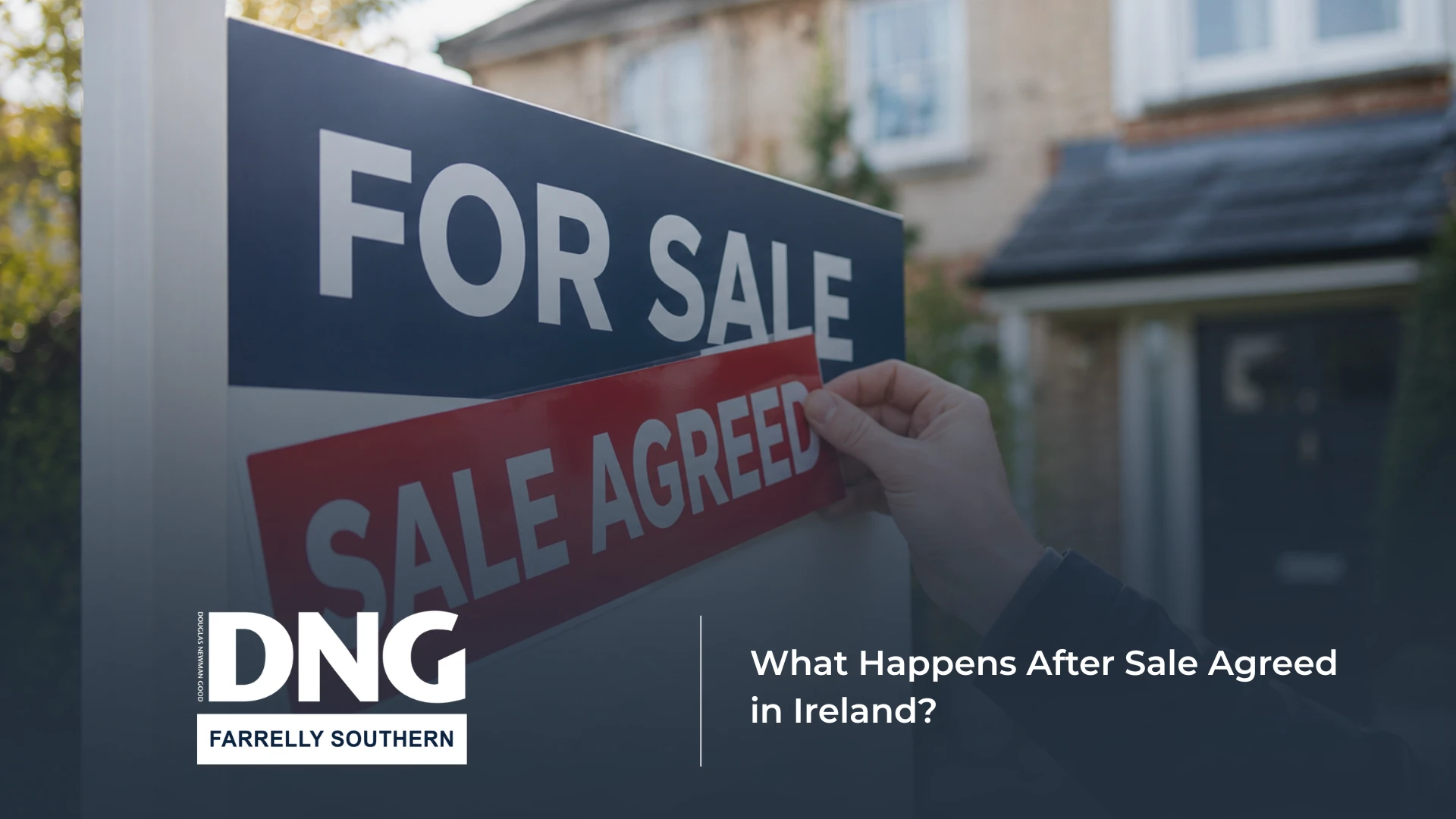
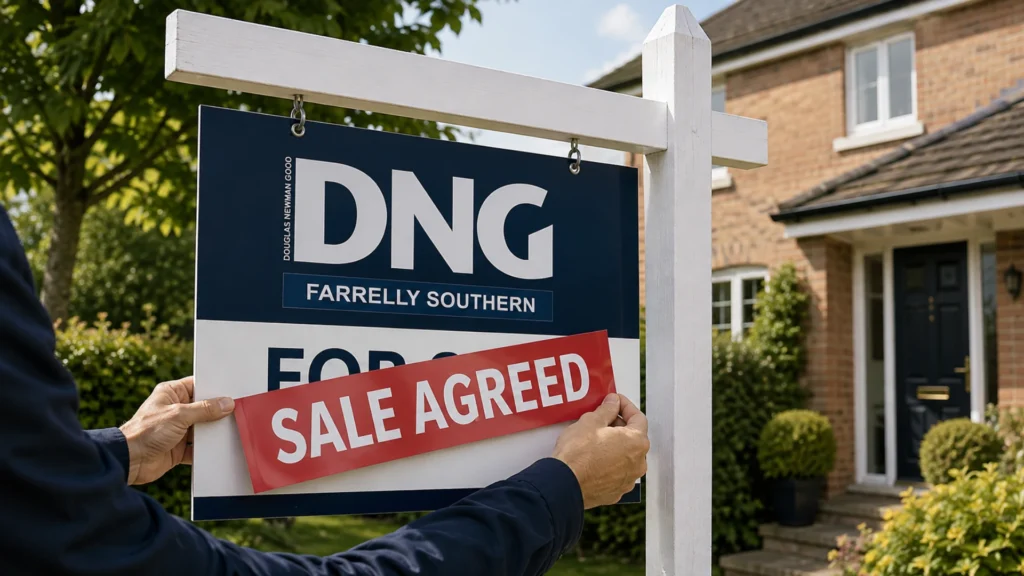
After sale agreed, you pay a booking deposit, your solicitor takes over, and the property moves through survey, valuation and contract signing before it’s actually sold.
None of that is legally binding until contracts are signed. Deals quietly fall apart in that gap, and almost everything written about it is aimed at buyers.
Sellers get far less, if they get anything at all. You think the hard part is over. It isn’t. The next few months decide whether you’re handing over keys on schedule or still chasing your solicitor for an update at Christmas.

What Are the Steps After Sale Agreed in Ireland?
- The buyer pays a booking deposit to the estate agent.
- The estate agent sends a sales advice note to both solicitors.
- The seller’s solicitor sends the draft contract and title deeds to the buyer’s solicitor.
- The buyer arranges a survey and, with a mortgage, a lender valuation and a formal loan offer.
- The buyer’s solicitor raises requisitions on title, and the seller’s solicitor replies.
- Both sides sign the contract, and the buyer pays the contract deposit.
- Both solicitors agree a closing date, the funds transfer, and the keys change hands.
Is Sale Agreed Legally Binding in Ireland?
An accepted offer marks the property sale agreed and takes it off the market. That word “agreed” does a lot of heavy lifting it doesn’t actually earn. In a private treaty sale, this stage is not legally binding on either side.
The purchaser can still walk away. The estate agent must pass any further offer on to the vendor, and until contracts are signed, the vendor can still decide to accept a higher one. Nobody likes hearing that after they’ve celebrated, but it’s the reality of how Irish property law works, and it’s worth knowing before you’re the one on the wrong end of it.
Everything between sale agreed and the day both sides sign the contract is preparation, and that preparation decides whether deals hold together or fall apart.
Is the Booking Deposit Refundable?
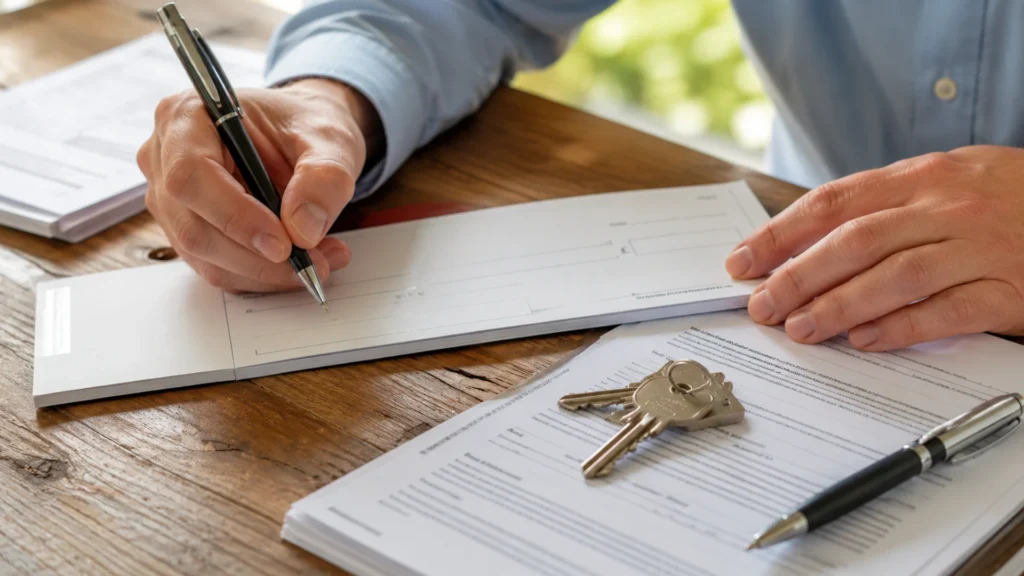
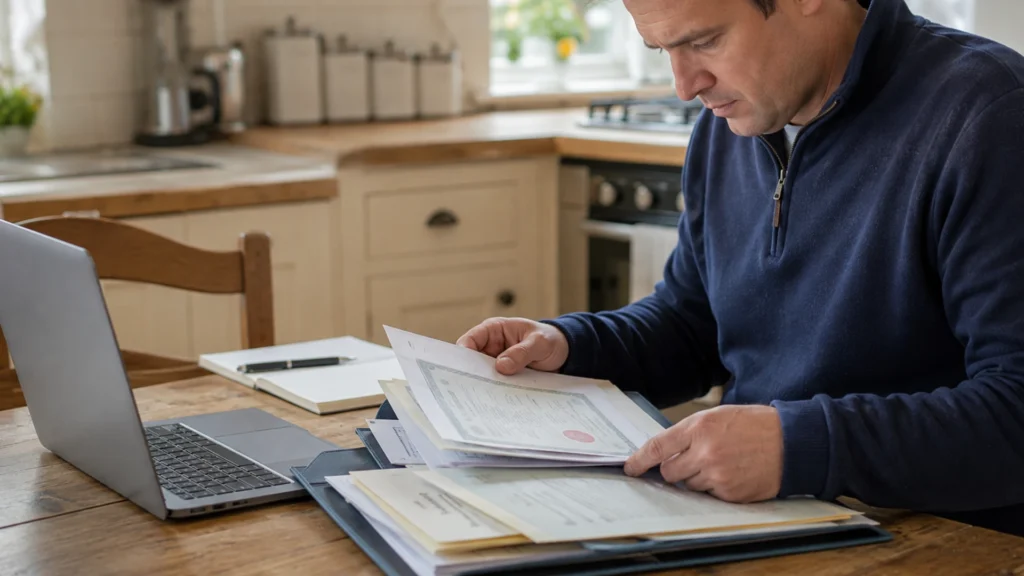
As soon as your offer is accepted, the estate agent will ask you to pay a booking deposit, often a fixed amount such as €5,000 or a small percentage of the offer, to confirm you’re serious and to take the property off the market.
It normally counts towards your contract deposit, which typically makes up ten per cent of the purchase price once contracts are signed.
The booking deposit is fully refundable until you sign contracts. If you pull out, or the seller pulls out, before that point, you get it back. It’s not a penalty, it’s a marker. Estate agents rely on it to justify pausing viewings, and sellers rely on it as an early signal that you’re not going to disappear a fortnight later.
Once the deposit is paid, the selling agent prepares a sales advice note and sends it to both legal teams, and this is the document that actually starts the legal clock.
What Should Sellers Do After Sale Agreed?
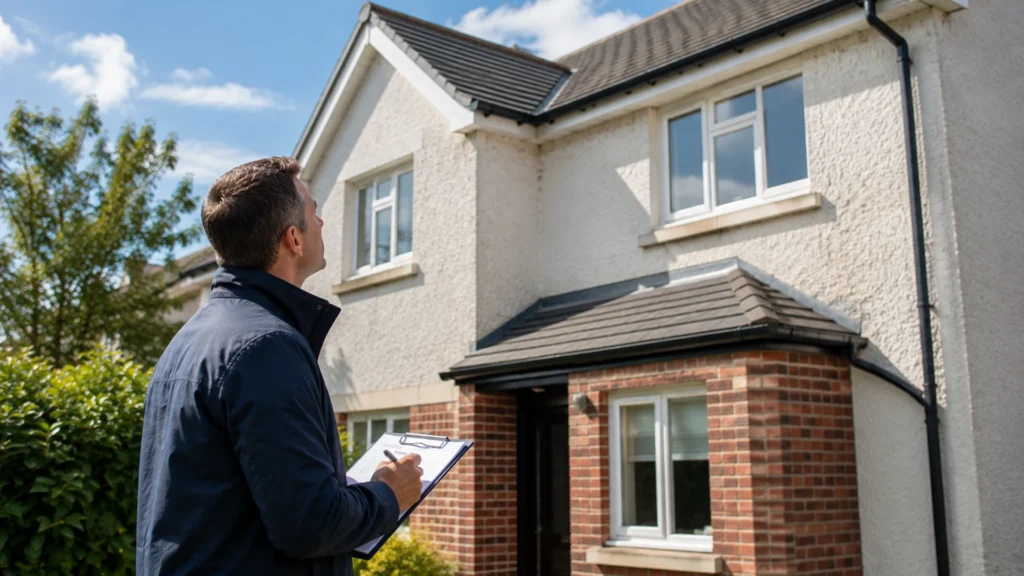
Most seller-facing content about this stage skips straight to the purchaser’s checklist, which is unhelpful if you’re the one trying to keep a sale on schedule.
Your solicitor needs your title deeds, and if there’s a mortgage still on the property, those deeds sit with your lender and can take weeks to release.
Ask for them the day you go sale agreed, not the day someone chases you about it.
If the property is in a management company development, your solicitor also supplies the replies to requisition 37, the management company paperwork covering the company’s accounts and sinking fund, so start collecting those documents early.
If you’ve an extension or a converted attic, dig out the planning permission and compliance certificates now. The purchaser’s solicitor will usually ask for them, and a missing certificate can hold up an otherwise straightforward sale.
A few more tasks sit on the seller’s side. If you have a mortgage, your solicitor obtains a redemption figure from your lender and clears the loan from the sale proceeds at closing. Your estate agent also works from a contents list that you provide.
Built-in items such as fitted wardrobes are usually fixtures, while free-standing appliances are usually fittings, so settle what stays early. Replies matter too.
The CCPC says many delays happen because solicitors don’t follow up queries, title checks or documents quickly, so answering your solicitor promptly keeps your sale moving. At closing, you also need proof that you have paid your Local Property Tax.

What Should Buyers Do After Sale Agreed?
While your legal team works through the seller’s contracts and title deeds, you’ve your own list. If you’re using a mortgage, notify your lender that you’ve gone sale agreed so they can convert your approval in principle into a formal loan offer for this specific property.
The lender will usually require an independent valuation, carried out by an approved valuer, before that loan offer is issued. This isn’t the same as a structural survey, and treating it as one is a mistake that costs people money later.
Book a structural survey separately, through a chartered surveyor or building surveyor. The cost of the survey depends on the property’s size and age, and it gives you an independent view of the property’s condition before you commit.
If the survey turns up something serious, you’re negotiating from a position of knowledge rather than finding out after you own it.
You’ll also need mortgage protection insurance in place before drawdown, which is a legal requirement for most mortgages in Ireland, along with home insurance to cover the building itself. Line both up in advance so you’re not scrambling for cover the week before closing.
How Long Do Requisitions on Title Take?
No official figure exists for requisitions alone. How long yours takes depends on how complete the seller’s paperwork is and how quickly both sides reply.
A tidy title with no management company, no outstanding planning queries and a seller who had everything ready before listing tends to move faster. A property with a messy title history, an unregistered extension or a slow-moving lender can take considerably longer.
This is the honest answer nobody wants to hear when they’re checking their phone every day for an update.
Once your solicitor receives the seller’s contracts and title deeds, they’ll raise a set of legal queries known as requisitions on title. This is standard, not a red flag.
Timelines stretch the most at this stage, because every query needs a reply, and every reply that raises a follow-up question adds another round trip.
How Long From Sale Agreed to Sold, Realistically
Nationally, the CCPC estimated the average conveyancing time in 2024 at 17 weeks, with 43% of buyers and sellers reporting 16 weeks or more.
The national target is a maximum of 8 weeks from accepted offer to closing, and only 13% reported meeting it. Where a sale lands depends on the transaction.
A cash purchaser with no chain, buying a property with clean title and no management company involvement, will usually sit at the faster end. A mortgage-backed purchaser in a chain, buying a property in a management company development with a lender who’s slow releasing title deeds, is a different transaction entirely.
That’s just this stage. If you’re earlier in the process and want the full timeline from valuation to keys, we’ve broken that down separately.
Ask yourself two questions early, because they determine which end of the timeline you’re heading toward. Are you buying with a mortgage or in cash? Are you part of a chain, waiting on your own sale to complete before you can close on this one?
If the answer to either is yes, build extra time into your own plans now rather than assuming the fastest-case scenario everyone quotes you.

What Happens If the Sale Falls Through
Either side can still walk away before contracts are signed.
A mortgage application falls through. A survey uncovers a structural issue nobody wants to deal with. A seller receives a higher offer and decides to take it.
Under PSRA rules, the estate agent holds your booking deposit in a dedicated client account and must generally refund it within 10 working days of the refund falling due.
If you’re buying and this happens, the property goes back on the market. You may not get back costs you’ve already paid, such as solicitor’s fees, a surveyor’s report or a valuation. If you’re selling and the purchaser withdraws, you’re back to square one on marketing.
Keep paperwork moving in parallel rather than waiting to see if the sale definitely holds.
What Happens When Contracts Are Signed?
Your solicitor won’t ask you to sign anything until satisfied with the seller’s replies to requisitions. Once that’s settled, you’ll sign two copies of the contract and pay the remaining balance of your ten per cent deposit. Your solicitor returns both copies to the seller’s solicitor.
The seller signs, their solicitor returns one copy to yours, and at that point you have a legally binding contract. If you withdraw after that point, you may lose your deposit.
This is the moment sale agreed finally becomes something real.
What Happens on Closing Day After Sale Agreed?
After contracts are signed, both solicitors agree a closing date. Your lender releases the mortgage funds to your solicitor, who transfers the remaining funds to the seller’s solicitor. Once the seller’s solicitor confirms the funds have landed, you receive the keys.
That confirmation from the vendor’s solicitor is the final checkpoint, because the property only transfers once closing is complete.
Stamp duty falls on the purchaser. Their solicitor factors it into the final figures alongside the purchase price and any land registry fees.
Frequently Asked Questions
How long does it take for a house to go from sale agreed to sold?
The CCPC estimated the national average conveyancing time in 2024 at 17 weeks, with 43% of buyers and sellers reporting 16 weeks or more. The national target is a maximum of 8 weeks from accepted offer to closing, also called completion, when you get the keys. The CCPC points to title deed problems, survey findings and probate as common causes of delay. Long wait. Real reasons for it.
Can a house fall through after sale agreed?
Yes. Sale agreed isn’t legally binding, so either side can still walk away right up until contracts are signed. If that happens, the estate agent must generally refund your booking deposit within 10 working days under PSRA rules, whichever side pulled out.
Need Help Selling After Sale Agreed in Kildare or Meath?
Going sale agreed feels like the finish line. It isn’t, and the weeks that follow reward whoever moves first, not whoever waits to be asked.
DNG Farrelly Southern is a PSRA-licensed estate agent in Maynooth, working with buyers and sellers across Kildare and Meath. If you’re earlier in the process, our property sales service covers selling options, marketing and viewings.
If you want to talk through where your own sale agreed stands, you can contact the team on (01) 651 7000, alongside whatever your solicitor is already handling on the legal side.